Symptom checklist: what to look for
Use this checklist to compare your hand bite against typical flea bite features. Individual reactions vary — some people swell more, others itch less.
Check the backs of hands, between fingers, and around knuckles. Spider bites often occur when hands disturb webs or hidden insects in stored items.
| Trait | What to look for |
|---|---|
| Shape | Tiny punctate bumps surrounding by pink halo. |
| Pattern | Groups or zig-zag lines commonly on calves/ankles. |
| Color | Pink to red; may have a central punctum or pale halo |
| Swelling | Usually localized; wider swelling may suggest allergy |
| Itch vs pain | Typically high shortly after biting. Pain: Mild fleeting pinprick sensation. |
| Timeline | Night 1–2: New clusters after sleeping near infested textiles.; Days: Itch persists till exposure ends plus pet/plan flea control. |
| Why the hand? | Hands reach into tall grass, firewood piles, pet bedding, and hotel luggage — putting them in direct contact with ticks, spiders, fleas, and bed bugs. |
Photo comparison: does your bite match?
Flea bites on the hand can resemble other insect bites, contact dermatitis, or minor skin infections. Key differentiators include the bite pattern, timing (did it appear after outdoor activity, sleep, or pet contact?), and associated symptoms like itch versus pain.
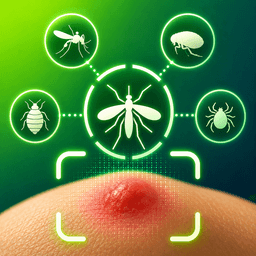
A single clear photo often reveals details you might miss in a mirror — central punctum, clustering pattern, or swelling borders. BiteSight compares your photo against common bite patterns and suggests a likely match with practical next steps.
If the mark appeared after sleeping, consider bed bugs or fleas in addition to fleas. If it appeared after hiking or gardening, ticks and chiggers belong on your comparison list.
Red flags: when to see a doctor
Most flea bites on the hand resolve without medical treatment. However, certain signs warrant prompt evaluation — especially for any bite that worsens unexpectedly.
- Signs cellulitis spreads
- Fever accompanies spreading redness
- Suspected flea-bite anemia is rare outdoors of heavy infestation pediatric cases — clinician assessment only.
- Systemic allergic symptoms such as airway swelling.
Home treatment steps
For uncomplicated flea bites on the hand, home care focuses on reducing itch, preventing infection, and monitoring for change.
- Hot wash linens
- Environmental pet treatment coordinating vet advice
- Antihistamines itch control
- Topical 1% hydrocortisone short windows
- Avoid scratching — it increases infection risk and can prolong healing
- Photograph the bite daily to track size, color, and spreading
What to avoid
Some well-meaning home remedies can delay healing or cause harm.
- Excessive steroid use over large surfaces
Prevention tips
Preventing future flea bites on your hand depends on reducing exposure:
- Regular pet flea prevention veterinarian guided
- Vacuum hotspots
Special considerations for the hand
Hand swelling can limit finger movement. Bites on the hand with increasing pain or numbness deserve medical evaluation.
According to public health guidance, flea bites involve piercing the skin to feed. Reactions range from barely noticeable to significantly itchy or painful depending on your immune response and the specific circumstances of exposure.
Check the backs of hands, between fingers, and around knuckles. Spider bites often occur when hands disturb webs or hidden insects in stored items.
Understanding your body's reaction
Flea bites trigger a local inflammatory response. Grouped itchy papules are the most frequently reported symptoms. Some people react strongly to their first exposure; others develop increased sensitivity after repeated bites in the same season.
Less common reactions include Hives farther from ankles, Small central punctum. These do not automatically mean something is seriously wrong, but they warrant closer monitoring and possibly medical advice if they persist or worsen.
Tracking your symptoms with dated photos creates a useful record if you later need to discuss the bite with a healthcare provider — especially important for bites that change appearance over time.
Common identification mistakes
Many people misidentify flea bites on the hand because several skin conditions look similar at first glance.
- Assuming every itchy bump is the same insect — fleas, mosquitoes, bed bugs, and contact dermatitis all cause red bumps
- Diagnosing a 'spider bite' without seeing the spider — most spider bites are rare; skin infections are more common
- Ignoring a bite because it doesn't itch immediately — bed bug and tick reactions can be delayed
- Treating with strong steroid creams without medical guidance — can thin skin and mask worsening infection
- Checking only once — flea bite appearance evolves over 24–72 hours; recheck and rephotograph
Still not sure? Confirm with a photo scan
If you have read this guide and still cannot confidently match your hand bite to a flea, a photo-based identification tool can help. BiteSight compares your bite photo against common patterns for mosquitoes, ticks, spiders, fleas, bed bugs, and other frequent biters.
Upload a clear, well-lit photo showing the full bite area on your hand. The app suggests a likely match along with calm, practical guidance on what to watch for and when to seek care — without replacing professional medical evaluation when you need it.