Blog
BiteSight Articles
In-depth guides on bug bites, prevention, myth-busting, and when to seek care.

July 3, 2026
Does Toothpaste Actually Help Bug Bites?
A mosquito bite starts itching and someone in the household reaches for the bathroom cabinet: dab a little toothpaste on it. The idea feels intuitive — toothpaste is cool, minty, and slightly gritty, so it should calm the welt the way it "cools" your mouth. Social media has amplified the trick for decades, yet dermatologists and poison-control guidance rarely list toothpaste among recommended first-aid steps. This article explains why people try it, what ingredients might briefly change how a bite feels, where the evidence falls short, and what clinicians actually recommend instead. We also cover travel kits, pediatric safety, and when welts need urgent care rather than home hacks. If you are comparing bite types or want photo-based guidance, see our pages on [mosquito bites](/bites/mosquito), [flea bites](/bites/flea), and [spider bites](/bites/spider), or use [BiteSight's bite identifier](/identify-bug-bite) to document what you are treating.

July 3, 2026
Best Tick Repellents for 2026: An Evidence-Based Comparison
Choosing a tick repellent should not require decoding marketing buzzwords on an end-cap display. What matters is whether an active ingredient is registered with the Environmental Protection Agency for ticks, used at an effective concentration, and applied to the right surfaces—skin versus clothing versus gear. This article is editorial only: we do not sell repellents, use affiliate links, or rank products by commission. Instead, we compare the three workhorse ingredients most travelers and hikers ask about in 2026—DEET, picaridin, and permethrin—using EPA labels, CDC prevention guidance, and dermatology-first safety principles. For bite identification after exposure, see our [tick bite overview](/bites/tick) and [hiking exposure guide](/situations/tick-bite-after-hiking).

July 3, 2026
Why Mosquito Bites Hit Some People Harder Than Others
You and a friend sit on the same patio for twenty minutes. You end up with swollen, furiously itchy welts; they have one faint dot. Same mosquitoes, same evening — completely different skin outcomes. That uneven experience is normal, not a sign that you are " sweeter " or doing something wrong. Mosquito bites are allergic reactions to proteins in mosquito saliva, and people's immune systems respond on a spectrum from barely noticeable to large local swellings called Skeeter syndrome. This article explains why reactions differ, what role genetics and prior exposure play, how to tell a normal bite from one that needs medical care, and practical steps backed by public-health guidance. For bite appearance and first aid, start with our [mosquito bite overview](/bites/mosquito) or compare patterns on our [mosquito vs flea bite guide](/compare/mosquito-bite-vs-flea-bite).
July 3, 2026
Where Brown Recluse Spiders Actually Live
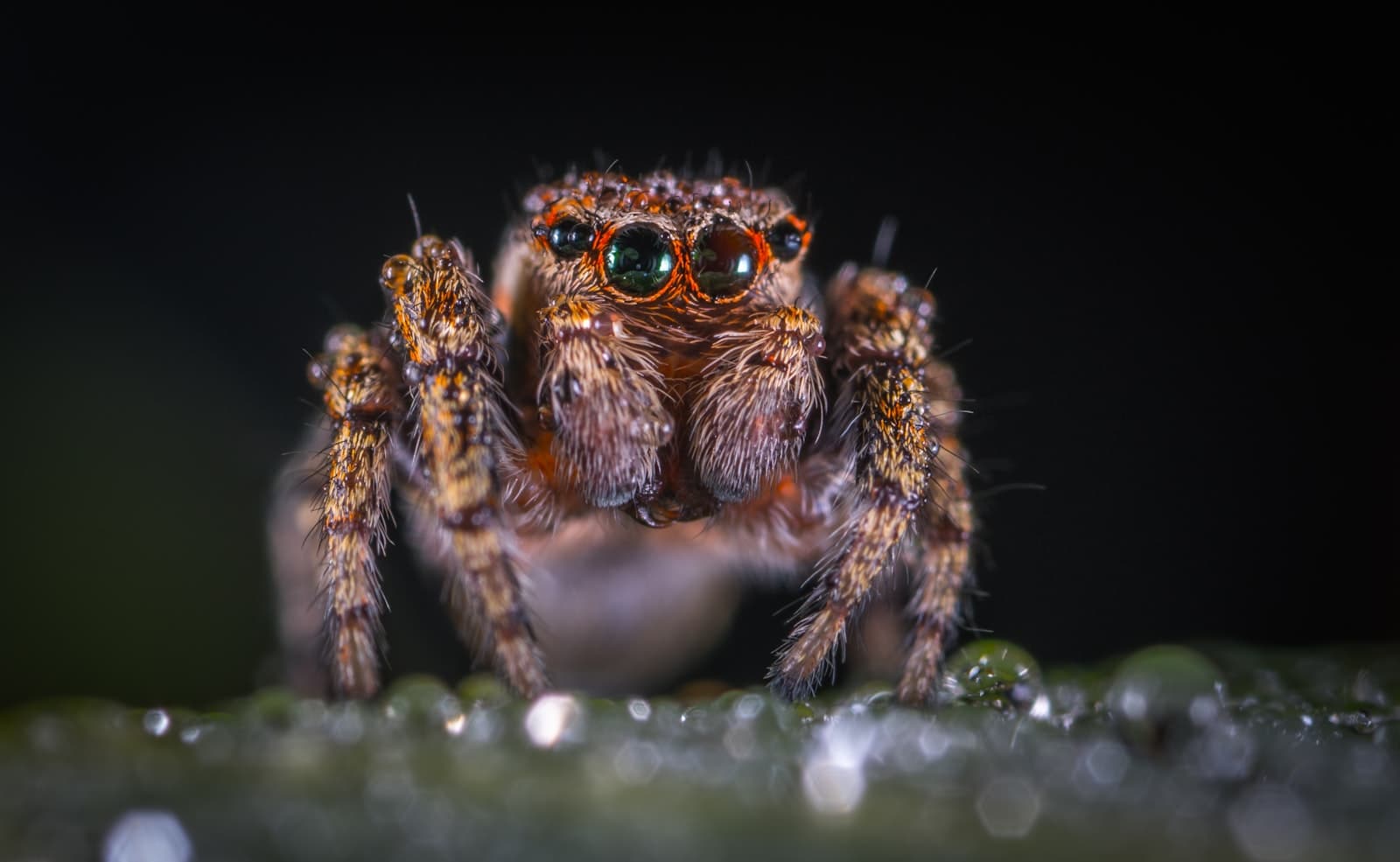
Few spiders trigger as much fear as the brown recluse (Loxosceles reclusa). Social media maps suggest they lurk coast to coast; in reality, established populations center in the south-central United States, with rare introductions elsewhere. Misidentification is common — most "brown recluses" seen in non-endemic states are harmless lookalikes. Understanding where recluses actually live, the quiet indoor habitats they prefer, and how bite symptoms evolve helps you protect your home without unnecessary panic. This guide draws on [University of Missouri Extension](https://extension.missouri.edu/publications/g7386) extension entomology, [CDC](https://www.cdc.gov/niosh/topics/spiders/) occupational health guidance, and university research from Purdue and UC Riverside. For bite photos and first aid, see our [spider bite overview](/bites/spider) and [spider bite on hand](/bites/spider-bite-on-hand) pages, or compare lesions with [spider bite vs mosquito bite](/compare/spider-bite-vs-mosquito-bite).

July 3, 2026
Tick Season 2026: What to Expect and How to Protect Yourself
Every spring, hikers, gardeners, and pet owners ask the same question: when does tick season actually start? In 2026, the answer is less about a single calendar date and more about weather, geography, and the species in your area. Blacklegged ticks—the primary vectors of Lyme disease in the eastern United States—can become active whenever ground temperatures stay above roughly 45°F (7°C), which in warming climates sometimes means February or March rather than April. This guide explains how tick seasons are shifting, which months carry the highest risk, what to do after time outdoors, and when a bite warrants medical attention. If you are trying to tell whether a mark on your skin came from a tick, our [tick bite overview](/bites/tick) and [leg tick bite guide](/bites/tick-bite-on-leg) walk through appearance and next steps.
July 3, 2026
Should You Pop a Bug Bite Blister?
A bug bite that was itchy yesterday now shows a tense bubble of fluid on the skin — and the urge to pop it can feel overwhelming. Blisters form when inflammation separates the outer layers of skin or when venom and immune fluid accumulate beneath the surface. The question is not just whether popping relieves pressure, but whether breaking the skin barrier invites infection, scarring, or delayed healing. Medical first-aid guidance for blisters, including [Mayo Clinic](https://www.mayoclinic.org/first-aid/first-aid-blisters/basics/art-20056643) recommendations, generally favors protection over puncture unless specific criteria are met. This article explains why bites blister, when popping is dangerous, how to care for intact blisters at home, and when spider bites, mosquito reactions, or infected lesions require professional care. We cover skeeter syndrome, hydrocolloid dressings, and high-risk groups who should seek care early. For bite identification and comparison, see [spider bites](/bites/spider), [mosquito bites](/bites/mosquito), our [spider vs mosquito comparison](/compare/spider-bite-vs-mosquito-bite), or [BiteSight's identifier](/identify-bug-bite).

July 3, 2026
Bug-Proof Your Yard Without Harming Bees
A yard that feels comfortable in summer should not come at the cost of collapsing pollinator populations. Yet many blanket pesticide sprays kill bees, butterflies, and beneficial insects indiscriminately while only temporarily knocking down mosquitoes and ticks. The alternative is integrated pest management (IPM): a stepwise approach that starts with habitat modification, uses targeted controls only when monitoring shows they are needed, and schedules any pesticide applications when pollinators are least active. This guide applies EPA IPM principles and pollinator-protection guidance from the Xerces Society to help homeowners reduce biting pests without turning flower beds into dead zones. Start with a one-month bite diary and a bucket walk for standing water before buying any spray. If bites still appear despite yard work, our pages on [mosquito bites](/bites/mosquito), [tick bites](/bites/tick), and [overnight bites](/situations/bug-bites-that-appeared-overnight) help sort symptoms from other causes.
July 3, 2026
Kissing Bugs and Chagas Disease: What U.S. Residents Should Know
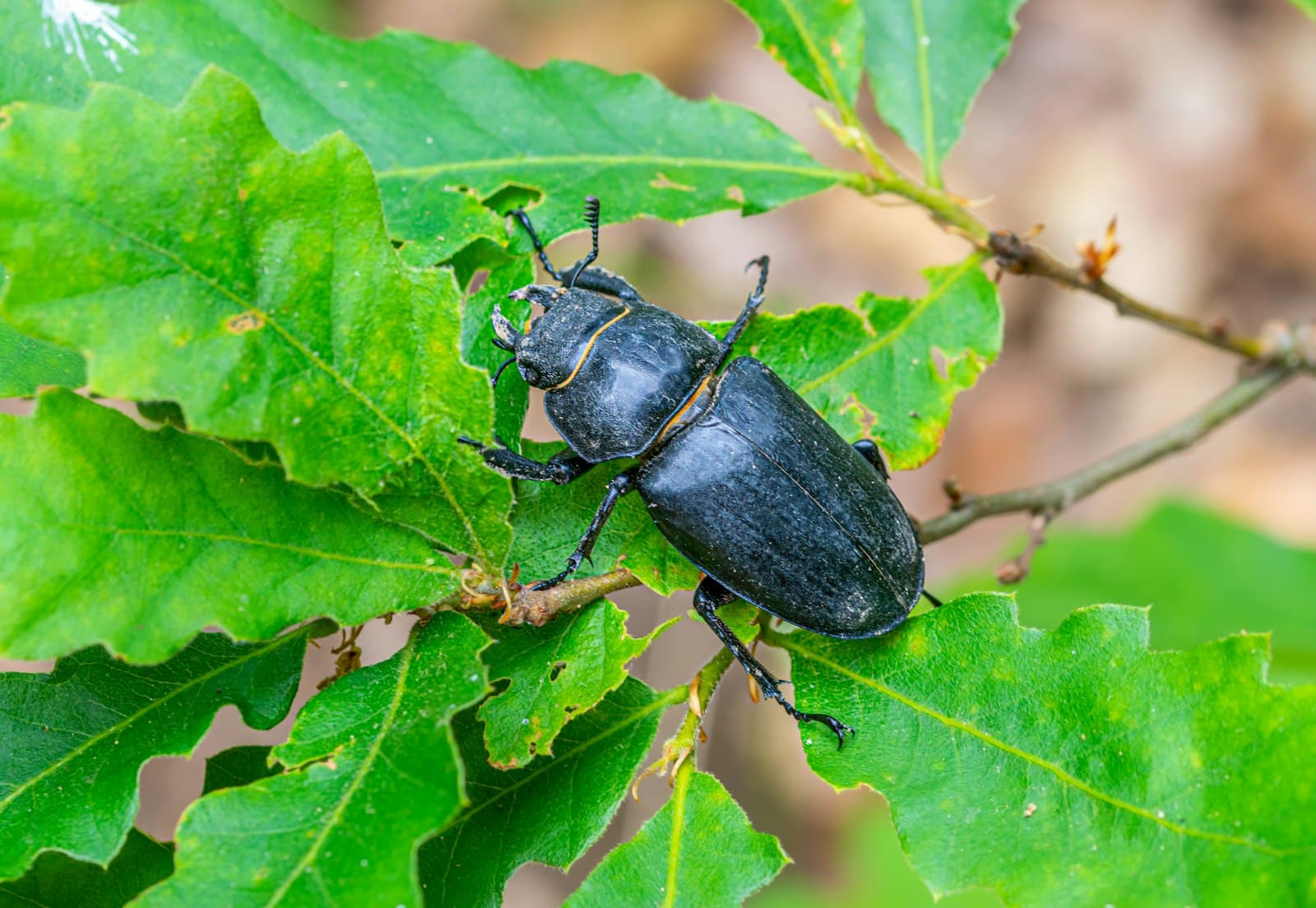
Kissing bugs—triatomine insects that feed on blood around the mouth and face at night—sound like a problem confined to Latin America. Yet more than a dozen species live in the southern United States, and locally acquired Chagas disease, though still rare north of the border, appears in Texas, Arizona, and other states where the bugs overlap with human housing. Chagas is caused by Trypanosoma cruzi, a parasite the bug deposits in feces that can enter the body if rubbed into the bite wound or mucous membranes. This article explains U.S. distribution trends, how Chagas differs from more familiar bug bites, prevention around rural and suburban homes, and when testing makes sense—drawing on [CDC Chagas guidance](https://www.cdc.gov/parasites/chagas/) and triatomine vector pages. Because kissing bug bites are easily confused with other nighttime pests, compare findings with our [bed bug bite guide](/bites/bed-bug) and use the [BiteSight identifier](/identify-bug-bite) to organize symptoms before a clinic visit.
July 3, 2026
Bed Bugs vs Anxiety: Separating Real Infestations From Fear
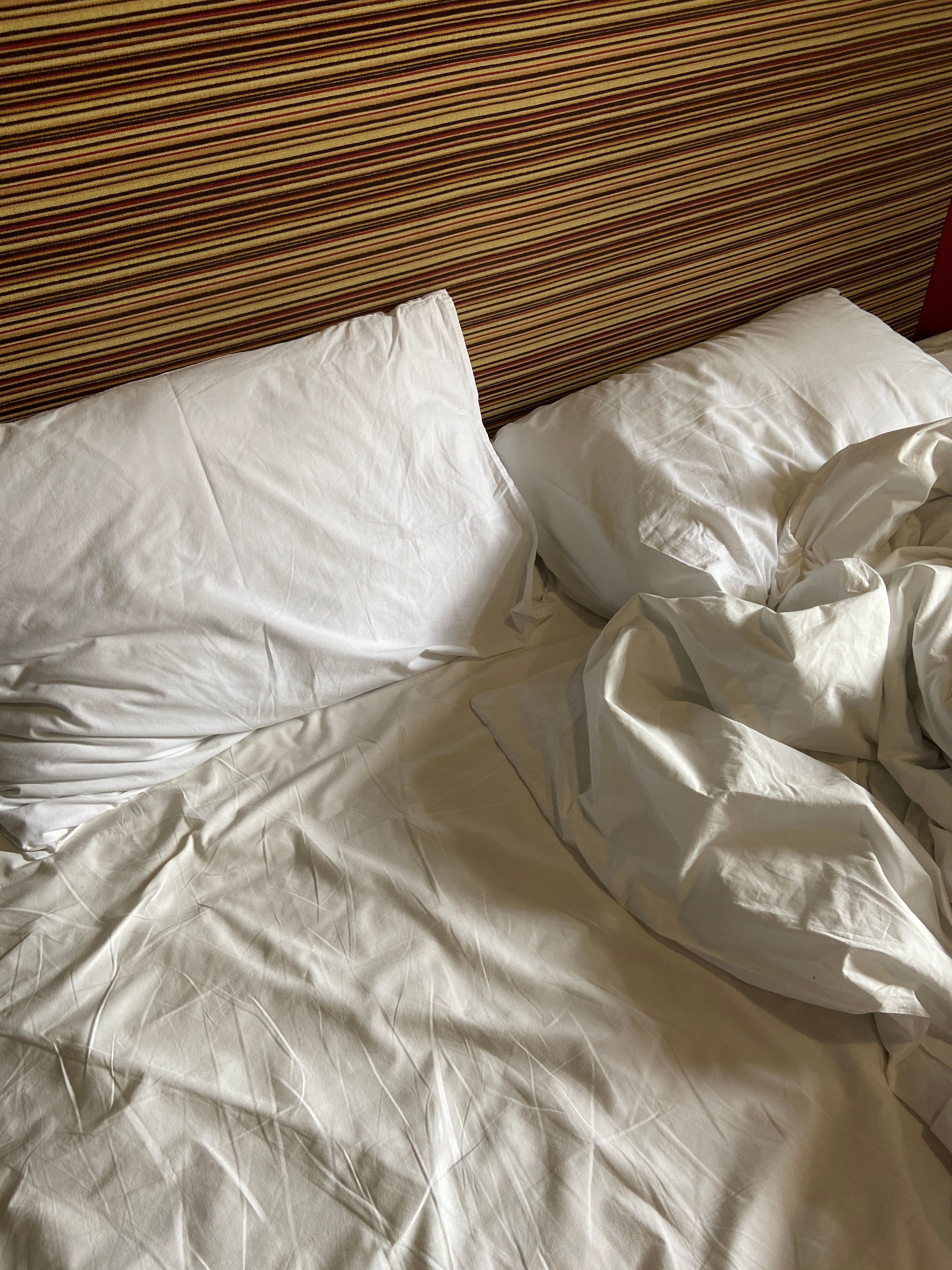
You strip the sheets at midnight, flashlight in hand, heart pounding — and every speck of lint looks like a bug. Maybe a hotel stay triggered the spiral, or a friend mentioned an infestation, or you woke with itchy welts and immediately pictured mattress seams crawling with insects. Bed bugs are a genuine public-health nuisance: they spread through travel and shared walls, bite at night, and cost real money to eliminate. But the psychological impact of bed bug fear — sometimes called delusory parasitosis when misidentification is fixed despite negative evidence — can produce sleeplessness, compulsive cleaning, and skin picking that looks like bite marks without any live insects present. This guide helps you distinguish evidence-based infestation signs from anxiety-driven interpretation, walks through inspection steps endorsed by [EPA](https://www.epa.gov/bedbugs), and explains when dermatology, pest control, and mental health support each have a role. We also address cost traps, household conflict, and non-insect rashes that mimic bites. Start with our [infestation or one bite quiz](/quiz/infestation-or-one-bite), [bed bug bite overview](/bites/bed-bug), [hotel stay situation guide](/situations/bed-bug-bites-after-hotel-stay), and [overnight bites checklist](/situations/bug-bites-that-appeared-overnight), or photograph marks with [BiteSight](/identify-bug-bite) before panic spending begins.

July 3, 2026
What's Biting You at Night? (And Why It Might Not Be Bed Bugs)
You wake up with fresh welts and immediately picture bed bugs hiding in the mattress seams. That fear is understandable — bed bugs are real, they travel easily, and they feed at night — but they are far from the only explanation for bites that seem to appear overnight. Fleas from a pet, mosquitoes that entered through an open window, and even delayed reactions to daytime bites can all produce the same morning panic. This guide walks you through the most common overnight biters, how their patterns differ on skin, what to inspect in your bedroom, and when professional help makes sense. If you want a structured starting point, see our page on [bug bites that appeared overnight](/situations/bug-bites-that-appeared-overnight) or use [BiteSight's bite identifier](/identify-bug-bite) to compare photos against typical patterns.