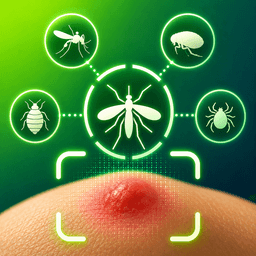

Why overnight bites feel like a mystery
Human skin does not always react to an insect bite immediately. Histamine release — the chemical behind itching and swelling — can lag by hours or even a full day after the actual puncture. That delay means you might notice a welt at 7 a.m. that was actually caused by a mosquito in the backyard at dusk, not something feeding in your bed at 3 a.m. The Mayo Clinic notes that redness, swelling, and itch are common after many insect encounters and that individual reactions vary widely.
Sleep also changes perception. You scratch less consciously while dreaming, so a bite that would have bothered you during the day may only register once you are awake and still. Warm bedding can intensify itch by increasing blood flow to the skin. Anxiety about bed bugs amplifies the search for new marks, and normal skin bumps — folliculitis, eczema flare-ups, hives — can be misread as fresh bites when you are already on high alert.
Pattern recognition matters more than any single welt. One isolated bump on an ankle after opening windows is a different story from clusters of three to five bites in a line along an exposed arm. Documenting location, timing, and household factors (pets, travel, open windows, recent hotel stays) gives you a clearer picture than staring at one mark in the mirror. Photograph bites in natural light and note whether they itch more at night or improve with antihistamines — both clues point toward different culprits.
Bed bugs: when the classic story fits
Bed bugs (Cimex lectularius) are small, flat, reddish-brown insects that hide within a few feet of where people sleep. They feed on blood, usually between midnight and 5 a.m., and often bite exposed skin: face, neck, arms, and hands. Bites are typically painless at first; itch and welts develop over the next hours. Many people develop lines or clusters of bites — sometimes called the "breakfast, lunch, and dinner" pattern when a bug walks along skin taking multiple feeds. The EPA emphasizes that bites alone cannot confirm bed bugs; you need physical evidence such as live bugs, shed skins, dark fecal spots on bedding, or eggs in seams and crevices.
Inspect the mattress piping, box spring, headboard, and nightstand joints with a flashlight. Look for pepper-like black dots (digested blood), translucent shed skins, and live insects about the size of an apple seed. Bed bugs do not jump or fly; they crawl from hiding places to the host and back. If you recently stayed in a hotel, bought used furniture, or live in a multi-unit building, risk is higher — but absence of travel does not rule them out; they spread through walls and shared laundry.
Treatment is rarely a DIY spray job. Effective control combines thorough cleaning, encasements, heat or professional pesticide application, and follow-up inspections. Over-the-counter "bed bug bombs" often scatter bugs deeper into walls without eliminating them. If evidence points to bed bugs, contact a licensed pest professional and read the EPA guidance on integrated approaches. For bite appearance details, see our [bed bug bite overview](/bites/bed-bug).
- Bites often in clusters or lines on exposed skin while sleeping
- Itch may peak hours after feeding, not during the bite
- Look for fecal spots, skins, and bugs in mattress seams — not just welts
- Travel, used furniture, and adjacent apartments increase likelihood
Fleas: the pet-linked overnight biter people overlook
Fleas are wingless insects that jump onto hosts — usually dogs and cats, but also humans when pet populations are high. They bite day or night, yet many owners first notice ankle and lower-leg bites after sleep because pets sleep at the foot of the bed or jump off bedding during the night. Flea bites tend to be small, firm, red papules with a central punctum, often intensely itchy, and frequently grouped on ankles, calves, and waistbands where clothing gaps expose skin. Our [flea bite guide](/bites/flea) covers typical appearance and household steps in more detail.
Unlike bed bugs, fleas live on the host animal and in carpets, pet bedding, and upholstered furniture — not primarily inside mattress seams. Comb pets with a flea comb over white paper; black specks that turn red when wet ("flea dirt") confirm feeding. Even indoor-only cats can harbor fleas if eggs were tracked in on shoes or if a previous tenant left an infestation. Flea life cycles include egg, larva, pupa, and adult stages; adults are only part of the problem, so treating the environment matters as much as the pet.
Compare flea and bed bug patterns using our [bed bug bites vs flea bites comparison](/compare/bed-bug-bites-vs-flea-bites). Fleas rarely produce long linear trails on the upper back; bed bugs rarely concentrate only on ankles unless that was the only exposed skin. If you have pets and lower-leg bites, treat the animal with a veterinarian-approved product and vacuum aggressively before assuming bed bugs. The CDC recommends reducing exposure by addressing both the animal and household reservoirs.
Mosquitoes: silent bedroom invaders
Mosquitoes need standing water to breed but adults will fly into any open window or torn screen. A single mosquito in the bedroom can leave one to several welts by morning, often on arms or any skin left uncovered. Mosquito bites usually become puffy, round, and very itchy within minutes to hours — faster than many delayed bed bug reactions. They do not follow strict linear patterns; placement depends on where skin was accessible. In warm months, an overnight welt on the shoulder near an open window strongly suggests mosquito before bed bug.
Prevention focuses on screens, removing indoor standing water (even a vase or plant saucer), and using EPA-registered repellents when windows are open at dusk. The CDC explains that scratching can break skin and invite infection; cool compresses and topical hydrocortisone or calamine help symptoms. Unlike fleas and bed bugs, mosquitoes do not infest furniture long-term — if you eliminate entry and breeding sites, the problem usually stops without whole-home pesticide treatment.
See our [mosquito bite page](/bites/mosquito) for photos and first-aid steps. If bites appear after camping or hiking but you slept at home, remember delayed reactions: bites from the previous evening may only swell noticeably by morning. Keeping a brief log of window use, outdoor time, and pet access separates mosquito timing from true bedroom feeders.
Other overnight possibilities worth ruling out
Mites associated with birds or rodents (including some chigger species in certain regions) can cause intense itch, though chiggers more commonly attach outdoors in grassy areas. Scabies — a mite that burrows in skin — causes a relentless itch that often worsens at night and involves web spaces of fingers, wrists, and waist; it requires medical diagnosis and prescription treatment, not pest control alone. The American Academy of Dermatology discusses general itch relief but scabies specifically needs a clinician.
Spiders occasionally bite in bed if trapped against skin, usually as a single painful lesion rather than multiple clustered welts. Carpet beetle larvae can irritate sensitive skin without biting, mimicking bite-like rashes. Environmental dry air, new detergents, or contact dermatitis from laundry products can produce overnight itch without any insect. Ruling these out prevents expensive bed bug treatments for non-insect causes.
Ticks are daytime hitchhikers but may go unnoticed until morning if they attached near the hairline or groin. The CDC advises checking the full body after outdoor exposure and removing attached ticks promptly. A tick bite is usually one inflamed site with a visible embedded tick or scab — not a scatter of small itchy papules.
How to compare bite patterns on your skin
Use three axes: number, arrangement, and body location. Bed bugs often produce multiple bites in clusters or lines on upper body skin exposed during sleep. Fleas favor ankles and legs, especially with pets in the room. Mosquitoes produce isolated or loosely grouped round welts on any exposed area. Single bites suggest spider, tick, or one opportunistic mosquito; dozens of new bites nightly suggest fleas or bed bugs.
Timing of itch helps too. Mosquito welts often itch within an hour. Flea bites itch quickly and persist. Bed bug bites may not itch until you wake. Photograph daily for three to five mornings — progression reveals whether you are getting new active feeding nightly or seeing delayed inflammation from older exposures.
Our [identify bug bite tool](/identify-bug-bite) lets you upload photos and compare against reference patterns. Combine that with the [overnight bites situation guide](/situations/bug-bites-that-appeared-overnight) for a step-by-step checklist before calling an exterminator.
- Clusters or lines on face, neck, arms → consider bed bugs
- Ankles and lower legs with pets → consider fleas
- Round puffy welts after open windows → consider mosquitoes
- Relentless finger/wrist itch in household contacts → consider scabies (see a doctor)
What to inspect in your bedroom tonight
Start with the sleeping surface: strip bedding and examine mattress seams, tags, and box spring corners with a flashlight and credit card edge to flush hiding insects. Check headboard bolts, carpet edges within five feet of the bed, and clutter under the bed — bed bugs prefer proximity to hosts, not deep attic spaces. For fleas, vacuum rugs thoroughly and wash pet bedding on hot cycles; place a shallow dish of soapy water under a nightlight to catch jumping fleas as a crude monitor.
For mosquitoes, inspect window screens for tears and look for standing water in bedroom plants, humidifier trays, or forgotten cups. Plug-in traps rarely solve an open-window problem if breeding occurs indoors. The EPA recommends fixing entry points and removing food and water sources before reaching for broad pesticides indoors where you sleep.
Document findings with photos. Pest professionals diagnose faster when you show fecal spotting or captured insects, not only bite photos. If you find no evidence after a week of careful monitoring but bites continue, expand search to adjacent rooms and consult both a dermatologist (for non-insect rashes) and a licensed pest inspector.
First aid for overnight bites
Wash affected skin with soap and water to reduce infection risk. Apply cold compresses for ten to fifteen minutes to limit swelling. Over-the-counter oral antihistamines (such as cetirizine or loratadine) and topical hydrocortisone 1% can ease itch; the Mayo Clinic cautions against excessive scratching that breaks skin. Calamine lotion and fragrance-free moisturizers help some people more than home remedies with little evidence.
Watch for signs of infection: increasing redness spreading beyond the bite, warmth, pus, fever, or red streaks toward lymph nodes. The American Academy of Dermatology describes when broken skin needs medical attention. Seek emergency care for difficulty breathing, lip or tongue swelling, or dizziness after bites — possible anaphylaxis, rare with common biters but serious.
Avoid applying undiluted essential oils, bleach, or heat directly to bites; these can cause chemical burns atop existing inflammation. If bed bugs are confirmed, treating bites does not replace eliminating the infestation — both tracks run in parallel.
When to call pest control vs a doctor
Call a licensed pest professional when you find bed bug evidence, heavy flea populations despite pet treatment, or recurring bites with clear insect signs. Ask about inspection methods, follow-up visits, and preparation sheets before chemical treatment. For bed bugs, heat treatment or targeted professional products outperform retail foggers cited by the EPA.
See a healthcare provider when bites are widespread with systemic symptoms, when scabies is suspected, when bites become infected, or when rash persists after pest elimination. Dermatologists can distinguish insect bites from eczema, urticaria, and drug reactions. Bring bite photos with dates and a list of home findings.
If anxiety about bed bugs dominates despite negative inspections, mental health support is valid — chronic fear of infestation causes real sleep loss. Our [bed bug bite reference](/bites/bed-bug) and [flea comparison](/compare/bed-bug-bites-vs-flea-bites) pages offer factual anchors before escalating to costly whole-home treatments.
Building a simple overnight bite action plan
Night one: photograph bites, note body locations, check pets and windows, inspect mattress seams. Night two: repeat photos to see new vs old lesions; vacuum and launder bedding hot if fleas possible. Night three: set flea monitor or repair screens; if bed bug signs appear, schedule professional inspection. Continue logging until pattern points to one culprit.
Share logs with pest pros or clinicians rather than relying on memory. Include whether roommates or partners have bites — bed bugs and fleas usually affect multiple people in the home; solitary bites may suggest mosquito or delayed outdoor exposure.
Use [BiteSight](/identify-bug-bite) to keep a dated visual record. Combining environmental inspection with bite documentation resolves most "what bit me at night?" cases without guessing.
Seasonal and environmental factors that shift the odds
Summer open-window sleeping invites mosquitoes; winter indoor heating dries skin and can mimic bite itch when no insects are present. Holiday travel peaks bed bug introductions in late December and January when luggage sits in hotel rooms and guests sleep in spare bedrooms with stored clutter. Spring flea surges follow warmer weather when pupae hatch synchronously after vacuuming stopped over winter.
Apartment buildings share pests through wall voids and laundry rooms — a neighbor's bed bug or flea problem can become yours without visiting their unit. Report building-wide issues to management early. Single-family homes still get fleas from wildlife (raccoons, opossums) nesting under decks in suburban areas.
Humidity and temperature affect how quickly bite welts appear on skin. Warm nights increase mosquito activity near dawn; if you wake at six with fresh bites and slept with windows cracked, weigh that heavily before tearing apart the mattress. The Healthline overview reminds readers that many skin conditions mimic bites — context prevents misdiagnosis.
Protecting partners, kids, and guests without alarm
If one family member has bites and others do not, it does not rule out bed bugs — some people react little or not at all while others swell dramatically. Conversely, if everyone has ankle bites and you own a cat, treat fleas cooperatively rather than blaming one bedroom.
Guest rooms that double as storage accumulate cardboard and rarely disturbed furniture — prime recluse and bed bug harborages in endemic areas. Before visitors arrive, declutter and inspect; after guests leave, wash bedding hot if travel involved.
Children may scratch bites until infected; trim nails, use cotton pajamas, and consult pediatricians for antihistamine dosing. Emotional reassurance matters when kids hear "bed bugs" at school — focus on solvable steps: inspection, laundry, professional help if needed, per WebMD educational framing without catastrophizing.