The real geographic range — not the viral map
Brown recluse spiders are native to the south-central United States: Kansas, Oklahoma, Texas, Arkansas, Missouri, Louisiana, Mississippi, Alabama, and parts of Georgia, Tennessee, Kentucky, Illinois, Indiana, and neighboring states. Within that range, they can be common indoors. Outside it, verified populations are unusual and often linked to moved boxes or furniture rather than outdoor ecology. The University of Missouri Extension publication stresses range limits and cautions against assuming every brown spider is a recluse.
UC Riverside Entomology maintains a database of misidentified " brown recluse " reports from California and other western states where the species does not persist outdoors. Local medics may diagnose " brown recluse bite " without spider confirmation, leading to myth reinforcement. Range maps from universities remain more reliable than anecdotal social posts.
Climate-controlled buildings extend where spiders survive briefly, but long-term breeding populations still cluster in endemic regions. If you live in Maine, Minnesota, or the Pacific Northwest, a brown spider in the basement is far more likely a funnel weaver, wolf spider, or grass spider — all visually brown but medically less concerning than recluse hype suggests.
Indoor habits: where they hide in homes
Recluses earn their name — they avoid open rooms and prefer undisturbed clutter. Typical harborages include cardboard boxes stored in garages, attics, crawl spaces, closets, behind picture frames, in folded linens, under furniture, and inside shoes left unused for weeks. They spin irregular small retreats but not classic orb webs in open air. Cleaning and reducing clutter directly reduces contact.
Garages attached to houses are frequent entry points. Seasonal items moved from storage — Halloween decorations, camping gear — may transport spiders without obvious signs until someone disturbs a pile. The University of Missouri Extension recommends storing items in sealed plastic bins rather than cardboard, which recluses prefer.
They are nocturnal hunters of small insects. Seeing one at night near a baseboard does not mean hundreds hidden in mattresses — unlike bed bugs, recluses do not feed on blood nightly or aggregate on sleeping hosts. Bites usually occur when a spider is trapped against skin in clothing or bedding, a defensive event rather than predation.
How to identify a brown recluse (and common lookalikes)
Adult brown recluses are about the size of a quarter including legs, tan to dark brown, with uniformly colored legs lacking spines and prominent banding. The hallmark eye pattern is six eyes in three pairs (dyads) — most spiders have eight eyes. A faint dark violin-shaped mark on the cephalothorax is suggestive but not definitive; other species have similar markings. Purdue Entomology provides diagnostic features for non-entomologists with caution about eye patterns requiring magnification.
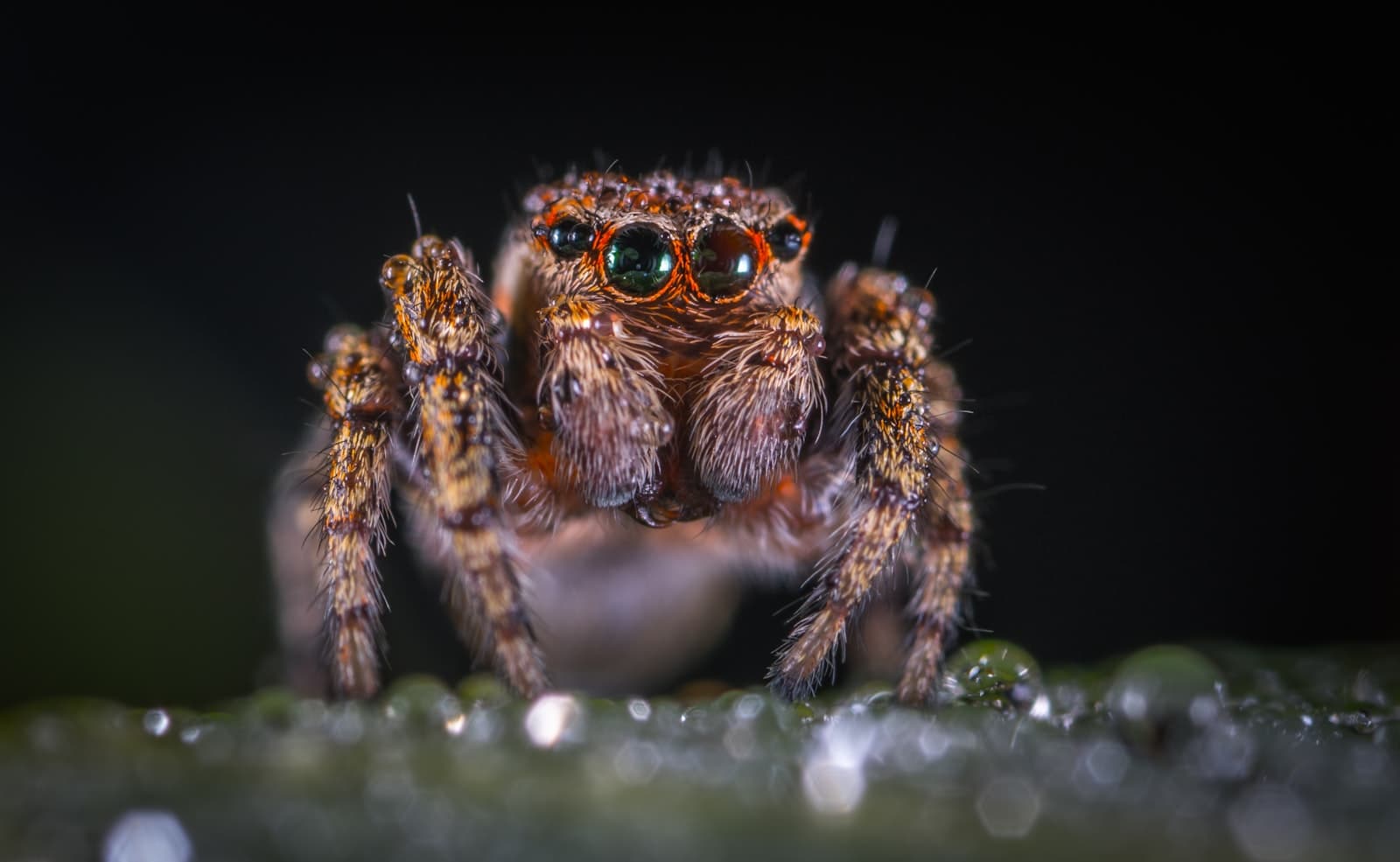
Wolf spiders are often misidentified: larger, hairier, with eight eyes in three rows and excellent vision — they hunt openly on floors at night. Funnel weavers build sheet webs in lawn grass and garages. Cellar spiders ( " daddy long legs " ) have tiny bodies and long legs — not recluses. Capture the specimen intact or photograph from above and side for extension offices or University of Missouri Extension resources before self-diagnosing bites.
If you are unsure about a lesion, use [BiteSight's identifier](/identify-bug-bite) and our [spider bite page](/bites/spider). Necrotic wounds have many non-spider causes — MRSA infections, staph, herpes, pyoderma — that deserve medical culture, not automatic spider blame.
Outdoor habitat: where they do not dominate
Brown recluses are not aggressive lawn spiders. Outdoors they may live under loose bark, rocks, or logs in endemic areas but seldom compete with web-building species in open gardens. You will not typically find them building webs on porch railings in sunlight. Garden " brown spiders " in non-endemic states are other genera.
Firewood stacked against houses can harbor various spiders; wear gloves when moving wood and inspect before carrying indoors. The CDC general guidance on avoiding bites applies: shake clothing, avoid bare-hand reach into voids.
Pesticide perimeter sprays alone rarely solve indoor recluse issues without clutter reduction and sticky monitoring in endemic homes. Integrated pest management — sealing cracks, storage upgrades, targeted crack-and-crevice treatment — aligns with EPA principles.
Travel, moving, and accidental transport
The primary way recluses appear outside endemic zones is hitchhiking in boxes, furniture, or vehicles moved from Kansas City to Denver, Dallas to Seattle, etc. Single specimens may survive months without establishing populations. Panic over one spider after a move should prompt identification, not fumigation of an entire apartment complex.
Used furniture from endemic regions carries higher risk than new flat-pack items. Inspect seams, undersides, and drawer tracks with a flashlight before bringing indoors. University extension services recommend glue traps along walls in storage areas as monitoring tools — they catch spiders without identifying every harmless species as a recluse.
Hotels in endemic areas pose low bite risk if you keep luggage off floor and away from walls, shake out shoes, and avoid storing clothes on floor piles. Bites remain rare even where spiders are common because recluses flee rather than chase humans.
Bite mechanics: when envenomation happens
Most verified recluse bites occur when pressure traps the spider — putting on boots, rolling onto one in bed, slipping into a stored coat sleeve. Initial bite may be painless or mildly stinging; some victims never notice the moment of envenomation. Over hours to days, some bites develop localized redness, pain, blistering, and in a subset, necrotic ulceration. Systemic symptoms (fever, rash, hemolysis) are uncommon but documented, especially in children.
Not every lesion attributed to recluse envenomation is confirmed — studies in endemic areas show many " spider bites " are bacterial infections without spider capture. Medical evaluation should include infection workup. The Mayo Clinic covers general wound care; necrotic wounds need clinician management, not home slicing or essential oils.
Compare early bite appearance with [mosquito bites](/compare/spider-bite-vs-mosquito-bite): mosquitoes cause immediate itch and wheals; recluse bites may stay quiet initially then worsen. Our [spider bite on hand](/bites/spider-bite-on-hand) page illustrates common presentation questions when hands are injured during garage sorting.
Medical course and when to seek care
Most recluse bites heal without dramatic necrosis — severity varies by venom dose, location, and host factors. Wounds on fatty areas (thigh) may ulcerate more than bites on muscle-rich sites. Progression over the first forty-eight hours guides urgency: expanding pain, purple blistering, or systemic symptoms warrant prompt medical visit.
Treatment may include wound care, tetanus update, pain control, and monitoring for secondary infection. Dapsone and other therapies appear in specialty protocols but are not DIY. The American Academy of Dermatology infection signs apply once skin breaks.
Bring the spider if safely captured for ID — misdiagnosis changes treatment. If no spider was seen, doctors still treat the wound but should not assume recluse without geographic plausibility.
Protecting your home in endemic areas
Reduce clutter in garages, attics, and closets; replace cardboard with sealed bins. Pull beds six inches from walls if historically bites occurred — less about nightly feeding than avoiding trapped spiders in bedding. Shake out shoes and gloves seasonally.
Sticky traps along baseboards in storage zones monitor activity over time. Declining catch counts suggest control success. The University of Missouri Extension guide notes that eliminating every spider is unrealistic; reducing favorable habitat lowers bite probability substantially.
Professional pest control can apply targeted treatments to cracks and voids after clutter work — broad fogging indoors is less precise. CDC workplace guidance emphasizes PPE when cleaning neglected spaces where spiders may hide.
Myths that waste money and sleep
" Brown recluse season " headlines nationwide each summer regardless of local species — check university maps for your county before treating. Ultrasonic repellers lack strong evidence. Exterminators selling whole-home recluse programs in Seattle or Buffalo without specimen ID should be questioned politely.
Necrotic wounds in non-endemic states still need medical care but often stem from staph, not spiders. UC Riverside Entomology documents hundreds of misdiagnoses — geographic skepticism is medically appropriate.
Killing every brown spider indoors does not equal safety — correct ID matters. Wolf spiders eat pest insects and alarm people without recluse-level envenomation concerns in most cases.
Coexisting safely: realistic risk perspective
In endemic cities, recluses live in many older homes yet bites remain statistically rare compared with stings, ticks, and dog bites. Risk rises with heavy clutter and stored cardboard, not with merely living in Oklahoma. Practical housekeeping and clothing habits prevent most encounters.
Educate children not to reach into undisturbed storage; teach glove use in garages. Photograph spiders before smashing if safe — extension services identify from clear images.
If bites occur repeatedly in one room, inspect that zone specifically rather than fearing whole-house infestation. One corner of a basement can harbor spiders while bedrooms stay clear.
Using BiteSight and related guides
Upload wound photos over time — progression matters more than a single snapshot. Link to our [spider bite resource](/bites/spider) for symptom checklists and [compare with mosquito bites](/compare/spider-bite-vs-mosquito-bite) when itch dominates early course.
Pair environmental inspection (where boxes sit, which shoes were worn) with medical follow-up if ulceration develops. [Identify bug bite](/identify-bug-bite) helps organize photos for telehealth visits.
Accurate geography calms unnecessary fear and focuses real control where recluses actually live — south-central indoors, quiet clutter, accidental contact — not every brown spider nationwide.
Regional extension resources and identification help
State cooperative extension offices in endemic states publish county-level guidance beyond national summaries. Missouri, Kansas, and Oklahoma extension sites describe sticky-trap monitoring and clutter reduction tailored to local housing stock. Submit clear photos rather than squashed remains when possible — leg banding and eye arrangement matter.
Purdue Entomology and University of Missouri Extension both emphasize that pesticide alone without habitat modification fails long-term. Homeowners who seal storage, launder stored textiles, and monitor traps see fewer encounters within one season in many field reports.
If you live outside endemic range but recently moved from Tulsa or Little Rock, inspect unpacked boxes first — transport explains most out-of-range specimens per UC Riverside Entomology.
Workplace and garage safety
Mechanics, warehouse workers, and teachers pulling seasonal decorations from closets face higher trap risk than people who never disturb stored goods. CDC recommends long sleeves and gloves when cleaning neglected areas, plus washing work clothes separately if spiders are confirmed in a facility.
Shake boots and coveralls before wearing; store seldom-used PPE in zip bags rather than open shelves in garages. These habits prevent bites from many spider species, not only recluses.
Employers in endemic regions should include spider awareness in safety onboarding without sensationalism — focus on clutter control and reporting bites with wound photos for occupational health records.
Long-term wound care if ulceration occurs
Necrotic bites may leave shallow ulcers that take weeks to heal. Keep wounds clean, follow clinician dressings, and watch for bacterial superinfection. The Mayo Clinic blister-care basics apply if vesicles form — do not drain at home without medical guidance.
Scarring varies; early medical care reduces tissue loss. Physical therapy is rarely needed unless bites occur near joints with extensive tissue involvement — uncommon but documented in severe cases.
Document healing with photos for your medical record; if diagnosis was uncertain, healed morphology does not retroactively confirm spider cause — but follow-up ensures no missed infection.
Teaching kids accurate spider literacy
Children hear scary recluse stories at camp and may fear every basement spider. Age-appropriate messaging: do not reach into dark piles, tell an adult before cleaning storage, and let adults identify spiders. Curiosity with safety beats panic that prevents reporting real bites.
School projects sometimes ask students to "find a brown recluse" outside endemic states — teachers should use extension curricula rather than unverified internet maps. UC Riverside Entomology offers educator-friendly myth-busting materials.
If a child develops an enlarging sore after playing in a garage, seek medical care for the wound, not the spider hunt first — pediatric infections need prompt treatment regardless of assumed cause.
When to escalate to professional pest help
Sticky traps catching multiple recluse-shaped spiders weekly in an endemic home justify professional assessment. One-off specimens after moving boxes may need only cleanup. Pest pros should identify captured spiders before selling multi-thousand-dollar fumigation in borderline cases.
Integrated plans combine sealing, decluttering, targeted void treatment, and follow-up monitoring — consistent with EPA. Ask for written follow-up intervals and what success metrics mean (fewer trap catches, not guaranteed zero spiders).
Link trap data and bite photos through [identify bug bite](/identify-bug-bite) when consulting both medical and pest professionals — parallel tracks reduce miscommunication between "spider bite" diagnoses and empty traps.
Remember that most brown spiders worldwide are harmless to humans even when brown and fast. Geographic literacy — knowing whether you live in recluse country — saves sleep and directs real effort toward clutter, storage, and wound care when bites occur.
If media reports spike local fear after a necrotic wound story, revisit range maps before spending on whole-house treatment. CDC and state extension offices publish practical prevention that scales with actual risk, not headline volume.
Landlords in endemic states should include storage guidance in move-in packets — sealed bins, elevated boxes, and prompt clutter removal after move-out reduce spider harborages for the next tenant without expensive building-wide fumigation. Simple storage habits outperform fear-driven spraying every time.