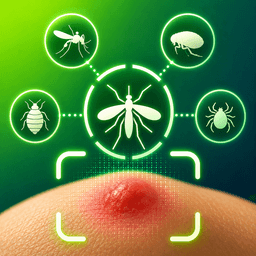
What does a bite look like?
Appearance: Paired puncta sometimes visible — often simple red patch.
Pattern: Usually solitary unless incidental multiple contacts.
Itchiness: Variable — pain may dominate.
Pain level: Range mild to immediate sharp.
Common areas: Hands feet clothing compressed sites.
Time to appear: Seconds to minutes pain sometimes delayed.
Common symptoms
Symptoms vary by individual sensitivity and bite circumstances. Some people develop strong reactions to their first bite; others notice little beyond a small bump.
The spider is found global distribution species dependent. Active seasons: year-round indoor species; peaks warm months outdoor.
- Localized redness tenderness
- Blister dusky center patterns region specific species (less common)
Timeline: what to expect
Minutes: Pain spike possible.
24–72 hours: Some species wounds evolve — monitor photograph.
How to tell apart from similar bites
Look for adhered tick dorsal capitulum.
Fire ants multiple stings clustered ground colonies.
Home treatment
Start with gentle cleansing and symptom relief. Most uncomplicated bites respond well to basic home care within several days.
- Wash area
- Mark borders optional monitor spread
- Ice analgesics antihistamines
What to avoid
Some home remedies can cause more harm than good.
- Tourniquets cutting wound
When to see a doctor
Seek medical evaluation if you notice any of the following:
- Ulcer deepening necrosis pattern
- Spreading erythema fever
- Difficulty breathing or widespread hives after a bite or sting
Prevention
Reduce your risk of spider bites with these strategies:
- Gloves firewood stacks shake clothing shoes
Bites by body location
Explore location-specific guides for spider bites on different parts of the body:
• Spider bite on Scalp
• Spider bite on Face
• Spider bite on Neck
• Spider bite on Arm
• Spider bite on Hand
• Spider bite on Back
• Spider bite on Ankle
• Spider bite on Foot
• Spider bite on Leg
Identify your bite with a photo
Not sure if your bite is from a spider? Upload a clear photo to BiteSight for AI-assisted identification. The app compares your bite against common patterns and suggests a likely match with practical next steps.
Medical information note
This content is reviewed against publicly available medical guidance from organizations including the CDC and Mayo Clinic.
Content last reviewed: 2026-05-01. This guide is educational and does not replace individualized medical advice from a qualified healthcare provider.
If your spider bite symptoms are unusual, worsening, or causing significant distress, contact a healthcare professional rather than relying solely on online information.