What kissing bugs are and why the name stuck
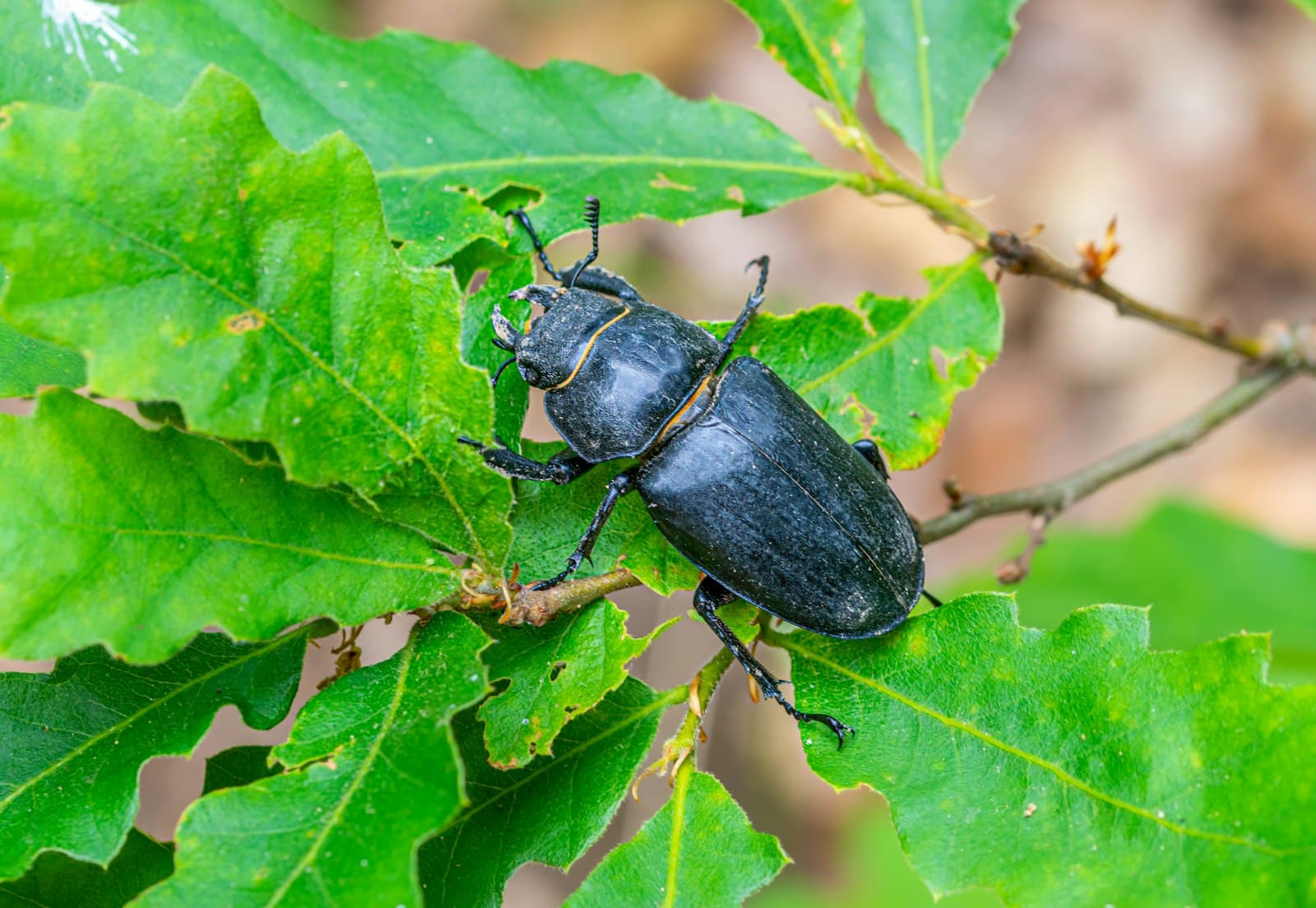
Triatomine bugs are large bloodsucking insects in the Reduviidae family. Many species defecate near the bite site shortly after feeding; if infected with T. cruzi, parasites in that feces can enter through the wound, eyes, or mouth—a process called auto-inoculation. The nickname "kissing bug" reflects a tendency to bite on the face where skin is thin and blood vessels close to the surface, though bites on arms and trunk occur too. The CDC triatomine page provides species photos; adults are often about an inch long with elongated bodies, thin legs, and orange or red banding on some U.S. species.
Not every triatomine carries T. cruzi. Infection rates in bug populations vary by region and species—from single digits to half or more in some Texas collections. Finding a bug in the house is alarming but does not automatically mean you were infected.
Kissing bugs are not bed bugs. Bed bugs (Cimex species) do not transmit Chagas, reproduce differently, and look smaller and more oval. Misidentification drives unnecessary Chagas anxiety or, worse, missed bed bug infestations.
U.S. geography and spread concerns
Established triatomine species occur across the South—from the Carolinas through the Gulf states, Texas, New Mexico, Arizona, and California. They live in wooded areas, rodent burrows, pack rat nests, and sometimes in cracks of rural homes, dog kennels, and chicken coops. Suburban spread often follows wildlife corridors rather than dense urban cores.
Texas A&M AgriLife extension materials track community reports and emphasize that most U.S. Chagas cases still involve travel to endemic Latin American countries—but autochthonous transmission is documented, especially in south Texas. Climate warming may expand suitable habitat for some vectors, though housing quality and pest-proofing play larger roles in whether bugs contact sleeping people.
Blood donor screening in the United States now catches many chronic Chagas infections that might otherwise go unnoticed for decades. A positive screen triggers confirmatory testing and cardiology referral because cardiac complications dominate long-term morbidity.
How Chagas transmission actually happens
The WHO Chagas fact sheet) divides infection into vector-borne, congenital, blood transfusion, organ transplant, and oral routes (contaminated food or juice in some Latin American outbreaks). In the U.S. home setting, vector transmission requires an infected bug to feed, defecate, and have feces rubbed into broken skin or mucosa—often unknowingly during sleep.
Acute Chagas may cause a swollen eye (Romana sign) when parasites enter through the conjunctiva, or a skin chagoma at the bite site. Many acute infections in immunocompetent adults are mild or silent. Decades later, 20–30% of people develop cardiac rhythm problems or dilated cardiomyopathy; another subset develop gastrointestinal megasyndromes more common in Latin America.
You cannot catch Chagas from casual contact with an infected person. It is not airborne or foodborne in typical U.S. kitchens.
Bite appearance vs bed bugs and mosquitoes
Kissing bug bites often cause local swelling and itching without the tight linear pattern of bed bug "breakfast, lunch, dinner." Reactions vary; some people have minimal marks. Do not rely on appearance alone to rule Chagas in or out.
Our [bed bug bite page](/bites/bed-bug) describes clusters on exposed skin, rusty mattress stains, and molting shells—infestation signs absent with incidental triatomine encounters. If you see multiple face bites after sleeping in a rural cabin, consider both possibilities and inspect the room: bed bugs hide in mattress seams; triatomines may be found in wall cracks or near rodent nests outside.
Photograph bugs intact in a sealed container for entomology identification. Crushing complicates species confirmation.
Who is at highest risk in the United States
People sleeping in adobe or poorly sealed rural structures in the South and Southwest, especially near wood rat (pack rat) habitat. Hunters sleeping in unscreened shelters, migrant agricultural workers in field housing, and people with dogs that bring bugs indoors from kennels face higher exposure.
Travelers returning from Bolivia, Argentina, rural Mexico, and other endemic areas carry the classic risk profile. Tell clinicians about travel even if it was years ago—Chagas can remain latent.
Pregnant people with chronic T. cruzi infection need specialized obstetric care because congenital transmission is possible, though treatable when identified early.
Home prevention and pest-proofing
Seal cracks around windows, doors, and foundations; repair torn screens; remove debris and wood piles touching the house. Replace outdoor lights with yellow bulbs that attract fewer insects, which in turn attract fewer predators and blood feeders near entries.
Discourage wildlife nesting in attics and crawl spaces. Pack rats are key hosts in the Southwest; professional exclusion beats DIY poison that leaves dead rodents inside walls.
Inspect pets' sleeping areas in barns or porches. Dogs can be infected with T. cruzi and may show cardiac disease; veterinary testing exists in endemic counties.
If you find a bug in the bedroom
Do not touch it with bare hands. Use a cup or gloved hand to place it in a sealed bag labeled with date and location. Contact your state health department or university entomology extension for identification programs—many accept photos or specimens.
Clean bite sites with soap and water; avoid rubbing eyes before washing hands. Monitor for fever, eyelid swelling, or severe fatigue over the next weeks.
CDC and infectious disease societies differ on automatic post-exposure prophylaxis after a confirmed infected bug bite. Discuss testing timing with a clinician familiar with Chagas; acute serology may need repeat testing because antibodies take weeks to develop.
Testing and treatment overview
Diagnosis uses blood tests for T. cruzi antibodies, sometimes with PCR in acute phase. False positives trigger confirmatory tests at reference labs. Chronic infection is treatable with benznidazole or nifurtimox; efficacy is highest in acute and early congenital infection and more limited in decades-old chronic disease, though treatment may still slow cardiac decline in some patients.
Cardiology follow-up with ECG and echocardiography monitors asymptomatic chronic carriers. Not everyone progresses—risk stratification guides how aggressively to treat.
If you only have anxiety after reading about kissing bugs online but no exposure history, step through our [identify bug bite tool](/identify-bug-bite) and compare indoor signs with bed bug checklists before requesting serology.
Public health surveillance and blood supply
U.S. blood banks screen donors for T. cruzi antibodies since 2007, catching infections from decades-old exposure. A donor notification can be the first time someone learns they are seropositive.
State health departments report acute vector-acquired cases; numbers remain low compared with Latin America, but surveillance improves mapping of autochthonous transmission counties.
Research continues on vaccines and better treatments; none replace home exclusion today.
Separating reasonable concern from panic
Most U.S. residents will never encounter a kissing bug indoors. Bed bugs, fleas, and mosquitoes cause far more common bite complaints. Focus identification energy on evidence: bugs captured, housing type, geography, and symptoms.
If you live in an endemic county, add triatomine awareness to your household pest plan alongside tick and mosquito IPM—seal the envelope, manage rodents, and use bed nets in unscreened rural sleeping spaces when camping.
Pair this article with [CDC Chagas resources](${REF.cdcChagas.url}) for updates, and use BiteSight pages to document bites systematically when multiple household members wake with welts.
Acute vs chronic Chagas: timelines that confuse patients
Acute illness, when it appears, usually shows within weeks of exposure—fever, fatigue, eyelid swelling, or a raised skin lesion at the inoculation site. Many people notice nothing during this phase and only learn of infection years later from screening.
Chronic cardiac disease may manifest as palpitations, syncope, or heart failure in middle age despite a forgotten camping trip decades prior. Gastrointestinal megasyndromes are less common in U.S.-acquired cases but appear in some Latin American chronic infections.
Understanding the timeline prevents two errors: panic testing after a single uninfected-looking bug sighting, and dismissing cardiac symptoms because "I never traveled abroad."
Camping, hunting, and rural housing checklists
Before sleeping in an unscreened cabin, inspect mattress seams for bed bugs and wall cracks near the bed for triatomines. Shake out bedding and sleep under a tucked net if screens are missing.
Hunters processing game near pack rat dens should change clothes before sleeping in the same room. Store boots outside or in a sealed bin.
Adobe and older brick homes in the Southwest benefit from professional sealing campaigns targeting utility penetrations—pipes and cables are highways for insects moving from attic nests to bedrooms.
Congenital Chagas and family planning
Women diagnosed with chronic T. cruzi infection should receive preconception counseling. Antiparasitic treatment may be recommended before pregnancy when appropriate, and prenatal monitoring detects congenital transmission so infants can be treated early.
Partners of seropositive individuals do not need to fear casual household transmission, but family screening may be offered because shared exposure history in endemic areas is common.
This is specialized care—primary care providers often coordinate with infectious disease and maternal-fetal medicine rather than managing alone.
Research frontiers and what they change for homeowners today
Vaccine and biologic research for Chagas continues, but no product replaces home exclusion and rodent management for U.S. residents in 2026.
Better rapid tests for acute infection may shorten time-to-treatment in emergency departments where Chagas is rarely top of mind.
Citizen science photo submissions to university entomology labs improve species maps that CDC and state health departments use for outreach—your documented specimen can help neighbors without triggering unnecessary population-wide alarm.
Cardiac monitoring after a positive screen
Asymptomatic blood donors who test positive need echocardiography and ECG even if they feel well. Early rhythm abnormalities sometimes warrant pacemakers or antiarrhythmic therapy before overt heart failure.
Family members may ask whether they should donate blood; follow Red Cross and FDA guidance—prior positive donors are deferred, but household contact screening is not automatic for everyone.
Exercise plans after diagnosis should involve cardiology; many people remain active for decades with monitoring, while others need activity restriction once cardiomyopathy progresses.
Legal, housing, and landlord scenarios
Renters in rural housing can request screen repairs and crack sealing like any other habitability issue. Document triatomine findings with dated photos and health department reports if landlords delay fixes.
Short-term rental guests rarely face meaningful Chagas risk in urban apartments, but rural cabin listings should disclose unscreened sleeping areas and encourage guests to keep outdoor lights off near bedroom windows.
HOA rules that mandate pristine lawn-to-forest transitions sometimes forbid leaf-litter removal that would lower tick and triatomine habitat—advocate for IPM exceptions that protect both residents and pollinators elsewhere on the property.
Differentiating anxiety from evidence-based risk
Social media amplifies rare parasite stories; bed bug infestations in cities are statistically more likely to explain repeated indoor bites. Use structured tools like our [bug bite identifier](/identify-bug-bite) to list findings before demanding specialty labs.
Therapy and pest inspection can run in parallel if anxiety is high—clear bed bug exclusion helps even when Chagas fear was the initial concern.
Keep captured insects for ID rather than destroying evidence in panic; entomologists cannot help from a smear on a tissue.
Travelers returning from Latin America
Most U.S. Chagas diagnoses still involve travel or birth in endemic countries. If you spent months in rural Bolivia, Paraguay, or similar regions, tell primary care even when asymptomatic—screening may be appropriate regardless of kissing bug sightings at your current U.S. address.
Blood donation screening may be the first signal; follow up through infectious disease clinics familiar with confirmatory algorithms to avoid false-positive stress.
Compare bite patterns during travel with our [bed bug guide](/bites/bed-bug)—hotel exposures there may explain welts more often than triatomines in tourist districts.
What to tell your clinician
Bring photos of the bug, a map of counties where you sleep regularly, and a timeline of eyelid swelling, fevers, or cardiac symptoms. Mention pet dogs that hunt rodents near the house.
Ask explicitly whether Chagas testing is indicated for your exposure profile rather than assuming the ER will default to it—many facilities see few autochthonous cases.
If testing proceeds, understand that repeat serology may be necessary in the acute window and that cardiology referral follows many confirmed chronic cases per [CDC Chagas guidance](${REF.cdcChagas.url}).
Species-level nuance across the southern states
Triatoma sanguisuga and T. lecticularia appear in eastern states; T. gerstaeckeri and T. protracta dominate parts of Texas and the Southwest. Species affects host preference and infection prevalence in local bug populations—another reason to preserve specimens for expert ID rather than assuming one national risk profile.
Adult bugs are attracted to lights at night; porch light management is a zero-chemical step that reduces indoor entries without touching pollinator beds.
Wood rat nests near rustic cabins remain a classic exposure scenario in Arizona and New Mexico; clearing nest material without dust inhalation requires gloves and, ideally, professional wildlife exclusion.
If a neighbor finds a triatomine, community chat threads often panic before ID completes—share CDC triatomine photos and encourage specimen preservation instead of neighborhood-wide spraying that harms bees and fails to address indoor cracks.
Local news coverage spikes after single bug photos; use those moments to distribute sealing checklists rather than fueling unfounded blood-donation fears among asymptomatic neighbors.
Remember that most triatomine submissions to university labs turn out to be harmless leaf-footed bugs or box elder bugs—accurate ID protects both public calm and bee-friendly yards.