Why bug bites sometimes blister
Not every insect bite blisters. When it happens, the blister is usually a combination of local inflammation, individual immune sensitivity, and sometimes venom chemistry. Mosquito bites in highly reactive people can develop small vesicles or bullae (larger fluid-filled sacs) hours to days after feeding. Spider bites — particularly from recluse or widow species in the United States — may produce central blistering as surrounding tissue inflames or becomes necrotic. Mayo Clinic notes that bite appearance varies widely and that severe local reactions merit medical evaluation rather than home surgery.
Friction and scratching accelerate blister formation. Rubbing a welt with clothing or scratching until the epidermis separates creates a fluid pocket even without initial venom blistering. American Academy of Dermatology emphasizes that breaking the skin barrier increases infection risk — the same principle applies whether the blister started from venom or from nails.
Clear fluid in a tense blister is typically serum — ultrafiltrate of blood without many cells — not "poison" that must be released. The fluid cushions underlying healing tissue. Popping removes that cushion and exposes a raw base where bacteria can colonize.
What doctors say about popping blisters in general
Mayo Clinic advises leaving most blisters intact because the unbroken roof acts as a natural sterile bandage. If the blister is small, not painful, and not in a high-friction area, the standard recommendation is wash gently, cover with a loose bandage or moleskin donut to offload pressure, and let the body reabsorb fluid over several days.
Medical exceptions exist for large, painful blisters that limit function — think burn blisters on the sole of the foot — and even then clinicians prefer sterile technique, partial drainage leaving the roof in place, and antibiotic ointment under medical supervision. Bug bites rarely meet those criteria in outpatient first aid; they are smaller and less mechanically stressed than full-thickness friction burns.
CDC focuses on preventing bites and treating itch; when secondary infection occurs, professional wound care matters more than how the blister was drained. The institutional silence on "pop your bite blister" is itself informative — it is not standard care.
Risks of popping a bug bite blister at home
Infection tops the list. Fingers, tweezers, and unsterilized needles introduce Staphylococcus and Streptococcus to a moist wound base. Cellulitis — spreading redness, warmth, pain, fever — can follow within twenty-four to forty-eight hours. American Academy of Dermatology describes warning signs that require prompt antibiotics, not another round of home drainage.
Scarring and pigment change increase when the blister roof is removed entirely. Healing by secondary intention on inflamed bite tissue may leave a depressed or hyperpigmented mark lasting months. Intact blisters often heal with less visible trace.
Misdiagnosis risk rises when you alter the lesion. Spider bite necrosis, Lyme disease erythema migrans, and bacterial impetigo all look different to clinicians in their natural progression. Popping and scraping destroys morphology that guides treatment and species identification.
Mosquito bites vs spider bites: different blister stories
Mosquito bite bullae usually reflect an exuberant local allergic response — sometimes called skeeter syndrome in pronounced cases — rather than tissue destruction. They may be itchy and tense but often improve with oral antihistamines, topical steroids, and time. CDC stresses infection prevention through reduced scratching; popping a mosquito bulla trades one problem for another.
Spider bites are heterogeneous. Widow bites cause muscle pain and systemic symptoms more than giant blisters. Recluse bites may develop a central blister over blue-gray discolored skin as local tissue injury evolves — a pattern discussed in University of Missouri Extension extension guidance. These lesions warrant photography, marking borders with pen for progression tracking, and medical contact — not bathroom needle drainage.
Compare bite patterns on our [spider bite vs mosquito bite page](/compare/spider-bite-vs-mosquito-bite). Location, pain level, systemic symptoms, and progression speed matter more than blister presence alone.
Large symmetric bullae on both legs after camping may be widespread mosquito hypersensitivity rather than spider envenomation — context from CDC helps. A single painful blister with surrounding dusky discoloration on a stored-clothing bite site raises different concerns documented in University of Missouri Extension resources.
When a blister might be drained by a professional
Clinicians occasionally drain tense, painful bullae using sterile equipment, sometimes sending fluid for culture if infection is suspected. They often leave the roof intact as a biological dressing, unlike typical DIY popping that removes the entire top.
Indications include blisters so large they prevent walking or gripping, signs of underlying abscess, or immunocompromised patients where infection risk is elevated. Even then, drainage pairs with follow-up — not a one-time squeeze at home.
If you are tempted to pop because pain is severe, that severity itself is a reason to call a clinic rather than self-treat. Mayo Clinic lists emergency symptoms for stings and bites; localized blister pain plus spreading redness fits urgent outpatient evaluation.
How to care for an intact bug bite blister
Wash surrounding skin gently with soap and water; avoid scrubbing the blister roof. Pat dry. Apply a thin layer of petroleum jelly or antibiotic ointment if the blister edge is dry and cracked — not under an intact dome unless advised.
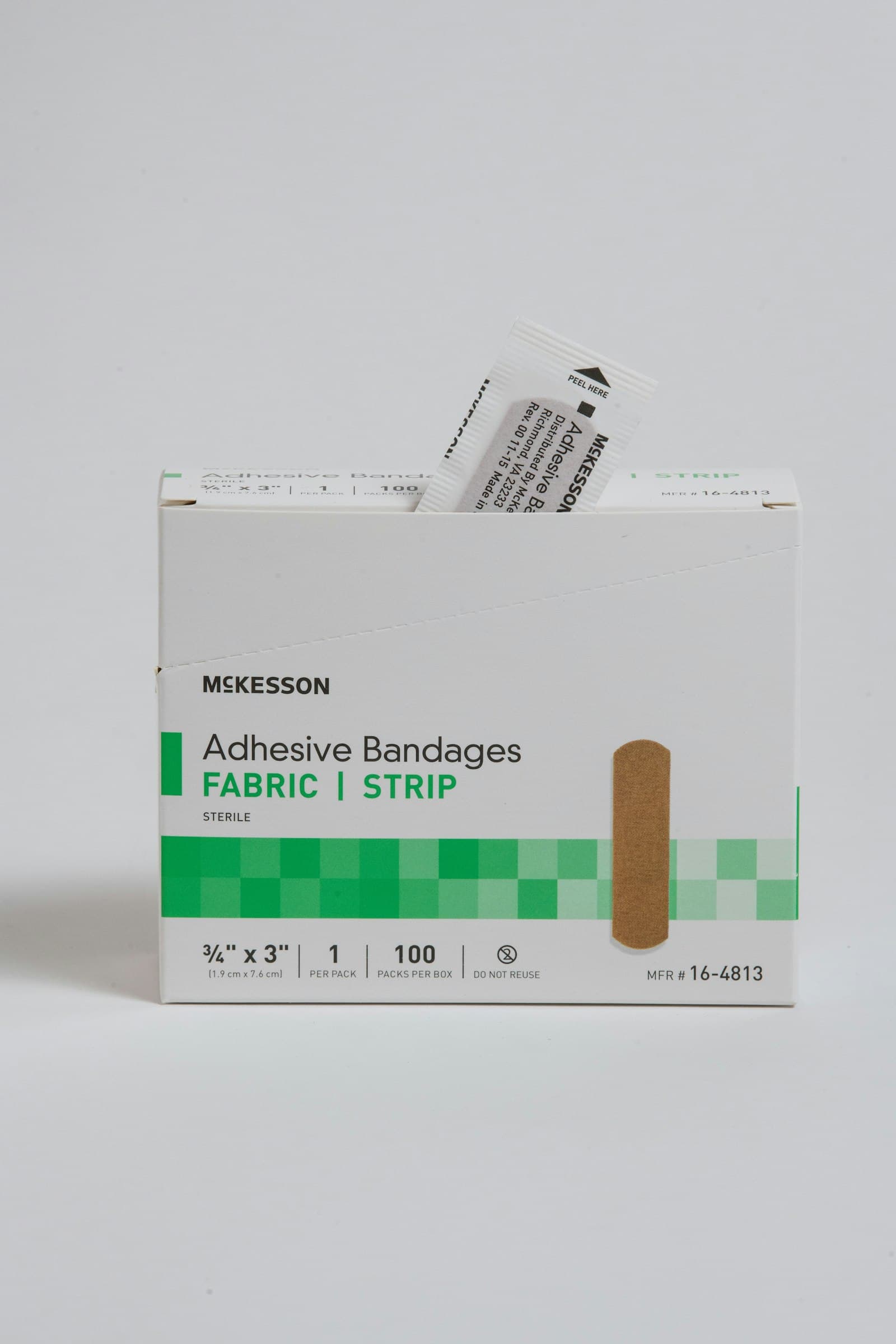
Cover with a non-adherent pad and loose tape or a hydrocolloid blister bandage designed to reduce friction. Change dressing daily or when wet, checking for increasing redness extending beyond the original bite margin.
Reduce itch with cold compresses ten minutes several times daily, oral antihistamines, and 1% hydrocortisone on surrounding non-blistered skin per American Academy of Dermatology. Less scratching means the roof stays intact longer.
Elevate limbs when ankle or foot bullae swell — gravity assists fluid reabsorption the way Mayo Clinic recommends for other blister types, without puncturing the dome.
If the blister pops on its own
Accidental rupture from clothing friction is common. Treat it as a minor open wound: rinse with clean water, apply antibiotic ointment, cover with non-stick dressing. Do not peel hanging roof skin immediately — trim only dead loose edges later if they catch on fabric.
Watch for infection signs daily for three to five days: expanding redness, yellow crust, malodor, fever. American Academy of Dermatology notes that impetigo spreads quickly in children — keep nails short and hands clean.
Photograph daily for comparison. If the base looks increasingly raw, dusky, or purple rather than pink and healing, escalate care — possible spider necrosis or infection beyond simple bite blister.
Danger signs: when to skip home care entirely
Seek emergency care for difficulty breathing, facial swelling, or dizziness after any bite — possible anaphylaxis. Mayo Clinic covers sting allergy; systemic symptoms are never "just a blister."
Same-day medical evaluation for blister plus rapid expansion of redness, red streaks toward the heart, fever over 101°F (38.3°C), or severe pain out of proportion to size. These suggest cellulitis or necrotizing infection.
Spider bite suspicion with systemic muscle cramps, abdominal pain, or ulceration expanding over days requires clinical management. WebMD illustrates varied appearances, but progression monitoring beats self-drainage.
Emergency departments treat anaphylaxis and severe cellulitis — not routine intact bite blisters. Knowing that distinction saves unnecessary ER visits while ensuring true emergencies get care quickly.
Children, diabetes, and immunocompromised hosts
Children scratch blisters open instinctively — trim nails, use mittens at night for toddlers with multiple bites, and keep dressings kid-proof. Pediatricians may prescribe stronger topical steroids for large mosquito bullae rather than drainage.
Diabetes and immune suppression impair wound healing and infection clearance. A small blister that might self-resolve in healthy adults deserves lower threshold for medical review in these groups — often antibiotics at first sign of cellulitis.
Avoid essential oil "draw out the poison" poultices on open blisters; chemical burns atop bite inflammation delay healing and obscure exam findings.
Caregivers should inspect dressings daily for immunocompromised patients — subtle odor or yellow crust may be the first infection sign when neuropathy limits pain perception in diabetic feet with flea or mosquito bullae.
Preventing blisters before they form
Early itch control reduces scratching damage. Oral antihistamines within hours of exposure can limit welts in highly reactive people during mosquito season. EPA helps choose registered repellents to prevent bites altogether.
Protect healing bites from sun and friction — sunburn on inflamed skin worsens swelling; tight shoes over ankle bullae from flea bites traumatize roofs. See [flea](/bites/flea) and [mosquito](/bites/mosquito) guides for species-specific prevention.
Tick bites rarely present as classic blisters; removing ticks promptly per CDC prevents pathogen transmission better than any post-bite blister strategy.
Skeeter syndrome and when blisters need prescription care
Skeeter syndrome describes large local allergic reactions to mosquito bites — sometimes with fever and extensive swelling in children. Bullae in this context may cover much of an eyelid or entire forearm. Pediatricians may use oral steroids or stronger topical prescriptions rather than drainage. CDC and Mayo Clinic both emphasize medical review when local reactions are disproportionate or accompanied by systemic symptoms.
Do not confuse skeeter syndrome bullae with spider necrosis — mosquito-related lesions usually lack expanding dusky necrotic centers and occur after known outdoor exposure. Photographs and exposure history clarify the differential.
If your child develops lip or eye swelling from mosquito bites near those areas, urgent same-day evaluation rules out airway involvement even when blisters look dramatic — swelling mechanics differ from blister fluid pressure alone.
Common myths about "drawing out" bite venom
Another pop-culture belief parallels toothpaste: that baking soda, meat tenderizer, or paste mixtures "draw poison" through the skin. Insect saliva and venom proteins trigger immune cascades already underway in tissue — they are not sitting in a pocket waiting to be neutralized by alkaline paste. Mayo Clinic does not recommend enzymatic or kitchen remedies; time, cold, and anti-inflammatory care modulate the reaction instead.
Some people report paste mixtures "drying out" a bite because absorbent powders pull surface moisture, leaving a chalky feel. That cosmetic dryness does not accelerate healing and can crack inflamed skin when removed. Dermatologists prefer non-irritating emollients on surrounding skin if dryness from washing is a concern.
Meat tenderizer (papain) occasionally appears in sting care folklore for jellyfish — a different toxin chemistry than mosquito saliva. Extrapolating sting hacks to arthropod bites spreads faster online than evidence updates. When in doubt, follow CDC and American Academy of Dermatology over comment-section chemistry.
Hydrocolloid dressings and when they help bite blisters
Hydrocolloid blister bandages absorb small amounts of fluid while maintaining a moist healing environment — technology borrowed from burn and friction blister care, aligned with Mayo Clinic principles of protecting the roof. On intact bite bullae, they reduce shear from socks and sheets, which matters for ankle mosquito bullae or foot flea bites.
Do not use hydrocolloids on obviously infected wounds or rapidly expanding necrotic spider lesions — occlusion over pus traps bacteria. If fluid inside the bandage becomes cloudy yellow-green, remove it, photograph the base, and seek medical review.
Partial-thickness roofs that tore accidentally sometimes heal faster under hydrocolloid than open air when kept clean — still not an invitation to pop intentionally. Change dressings per package directions and monitor borders for spreading erythema per American Academy of Dermatology.
Documentation and follow-up
Use dated photos if blisters enlarge or colors darken — clinicians diagnose progression from serial images when the live lesion has been altered. [BiteSight](/identify-bug-bite) supports logging appearance over days.
If antibiotics are prescribed for infected bite blisters, finish the course even if skin looks better at forty-eight hours. Partial treatment breeds resistant bacteria.
Healed blisters may leave temporary discoloration — sunscreen on new skin reduces persistent hyperpigmentation over months.
Note whether new blisters appear daily or a single bulla is stable — daily multiplication suggests ongoing exposure (fleas, mosquitoes, bed bugs) worth addressing environmentally per CDC, not repeated drainage.
Bring a timeline to appointments: when the bite started, when the blister appeared, any pop attempt, and systemic symptoms. Clear history speeds appropriate treatment when spider envenomation or bacterial infection is in the differential.
If blisters recur every summer on the same body areas, discuss preventive antihistamines or prescription topical steroids with your clinician before mosquito season — CDC prevention plus proactive allergy management beats annual blister crises. A brief visit before camping season can prevent repeat bullae.