Red flags: when to see a doctor
Most tick bites on the ankle resolve without medical treatment. However, certain signs warrant prompt evaluation — especially for ticks and medically important spiders.
- Cannot remove entirety
- Bull's-eye erythema migrans lookalike uncertain
- Fever arthralgia endemic areas
- Ascending paralysis rare tick toxin syndromes
- Rapid neurologic deficits — emergency services
Symptom checklist: what to look for
Use this checklist to compare your ankle bite against typical tick bite features. Individual reactions vary — some people swell more, others itch less.
Remove socks and examine both ankles and the tops of feet. Flea bites typically cluster in groups around the ankle in lines or small clusters.
| Trait | What to look for |
|---|---|
| Shape | Visible tick silhouette OR red macule underneath post removal. |
| Pattern | Single attachment site predominates initially. |
| Color | Pink to red; may have a central punctum or pale halo |
| Swelling | Usually localized; wider swelling may suggest allergy |
| Itch vs pain | Variable — often modest except allergic. Pain: Typically low while attached absent inflammation. |
| Timeline | 0–48 hours embedded: Tick feeds — safe prompt removal lowers pathogen delivery risk contextual.; 3–30 days: Some infections present delayed fever/rash clinician dependent geography. |
| Why the ankle? | Ankles sit right above sock lines and shoe openings — the perfect height for mosquitoes, fleas, chiggers, and no-see-ums. This is the single most searched bite location. |
Photo comparison: does your bite match?
Tick bites on the ankle can resemble other insect bites, contact dermatitis, or minor skin infections. Key differentiators include the bite pattern, timing (did it appear after outdoor activity, sleep, or pet contact?), and associated symptoms like itch versus pain.
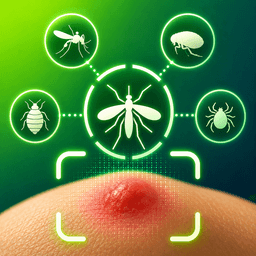
A single clear photo often reveals details you might miss in a mirror — central punctum, clustering pattern, or swelling borders. BiteSight compares your photo against common bite patterns and suggests a likely match with practical next steps.
If the mark appeared after sleeping, consider bed bugs or fleas in addition to ticks. If it appeared after hiking or gardening, ticks and chiggers belong on your comparison list.
Home treatment steps
For uncomplicated tick bites on the ankle, home care focuses on reducing itch, preventing infection, and monitoring for change.
- Remove tick cleanly per public health instructions
- Cleanse site
- Watch photo diary
- Analgesics if tender
- Avoid scratching — it increases infection risk and can prolong healing
- Photograph the bite daily to track size, color, and spreading
What to avoid
Some well-meaning home remedies can delay healing or cause harm.
- Folk remedies (vaseline fire) risk incomplete removal injury
Prevention tips
Preventing future tick bites on your ankle depends on reducing exposure:
- Permethrin treated clothing protocols
- Shower tick checks hikes
- Path avoidance tall grass midsummer
Special considerations for the ankle
Ankle bites are usually mild, but chigger bites here can itch intensely for days. Tick bites near the ankle should be checked for complete removal.
According to public health guidance, tick bites involve piercing the skin to feed. Reactions range from barely noticeable to significantly itchy or painful depending on your immune response and the specific circumstances of exposure.
Remove socks and examine both ankles and the tops of feet. Flea bites typically cluster in groups around the ankle in lines or small clusters.
Understanding your body's reaction
Tick bites trigger a local inflammatory response. Tiny stuck "dot" sensation, Mild erythema after removal are the most frequently reported symptoms. Some people react strongly to their first exposure; others develop increased sensitivity after repeated bites in the same season.
Less common reactions include Head fatigue muscle aches endemic illness exposures. These do not automatically mean something is seriously wrong, but they warrant closer monitoring and possibly medical advice if they persist or worsen.
Tracking your symptoms with dated photos creates a useful record if you later need to discuss the bite with a healthcare provider — especially important for tick bites where delayed rash or systemic symptoms can appear days to weeks later.
Common identification mistakes
Many people misidentify tick bites on the ankle because several skin conditions look similar at first glance.
- Assuming every itchy bump is the same insect — fleas, mosquitoes, bed bugs, and contact dermatitis all cause red bumps
- Diagnosing a 'spider bite' without seeing the spider — most spider bites are rare; skin infections are more common
- Ignoring a bite because it doesn't itch immediately — bed bug and tick reactions can be delayed
- Treating with strong steroid creams without medical guidance — can thin skin and mask worsening infection
- Checking only once — tick bite appearance evolves over 24–72 hours; recheck and rephotograph
Still not sure? Confirm with a photo scan
If you have read this guide and still cannot confidently match your ankle bite to a tick, a photo-based identification tool can help. BiteSight compares your bite photo against common patterns for mosquitoes, ticks, spiders, fleas, bed bugs, and other frequent biters.
Upload a clear, well-lit photo showing the full bite area on your ankle. The app suggests a likely match along with calm, practical guidance on what to watch for and when to seek care — without replacing professional medical evaluation when you need it.