Most likely causes
Based on your situation, these are the most common culprits. Consider which exposure matches your recent activity:
- Bed bugs in mattress seams, headboards, or furniture
- Delayed hypersensitivity — bites may appear after you have left
- Clusters on torso, arms, neck — skin contacting bedding
Step-by-step: what to do now
Follow these steps in order. Document each stage with photos in case you need to share information with a healthcare provider or pest control professional:
- Photograph all bites before they fade
- Inspect hotel mattress seams, headboard, and luggage rack before unpacking further
- Report to hotel management and request room change or refund
- Keep luggage off the bed and floor — use luggage rack away from walls
- Upon returning home: wash and dry all clothing on high heat
- Vacuum luggage exterior; consider isolating bags in garage temporarily
- Monitor for new bites over the next two weeks at home
What the bites may look like
In this situation, bites may not match textbook photos you find online. Real-world presentations vary by individual immune response, number of bites, and how long ago exposure occurred.
Take photos in natural light before applying creams or scratching. Include surrounding skin for context. Compare your photos against location-specific guides in our bite library.
How to confirm with a photo
Different overnight and situational bites have distinct patterns. A clear photo helps distinguish bed bug clusters from flea ankle groups from solitary spider bites.
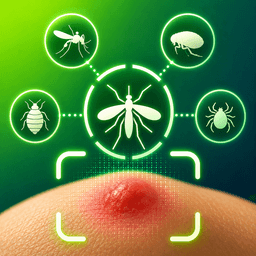
BiteSight analyzes your photo against common patterns and suggests a likely match — especially helpful when anxiety makes objective assessment difficult.
When to seek medical care
Most situational bites resolve with home care. Seek medical evaluation for spreading redness, fever, difficulty breathing, or systemic symptoms.
Anxiety after discovering new bites is normal — especially after travel or outdoor activities. Documenting your bites with photos gives you an objective record to share with a clinician if symptoms evolve.
- Spreading rash days after a tick exposure
- Signs of infection: pus, red streaks, increasing pain
- Allergic symptoms: facial swelling, hives, breathing difficulty
- Bull's-eye rash or flu-like symptoms after tick bite
Prevention for next time
Once you have addressed the immediate situation, take steps to reduce the risk of recurrence. This may include pest control, pet treatment, travel inspection routines, or protective clothing during outdoor activities.
Still not sure? Confirm with BiteSight
When stress makes it hard to think clearly, upload a photo for AI-assisted identification. BiteSight suggests a likely match based on bite appearance and helps you decide whether home care is reasonable or professional evaluation is warranted.